MTG · English · TBD
Mirrodin
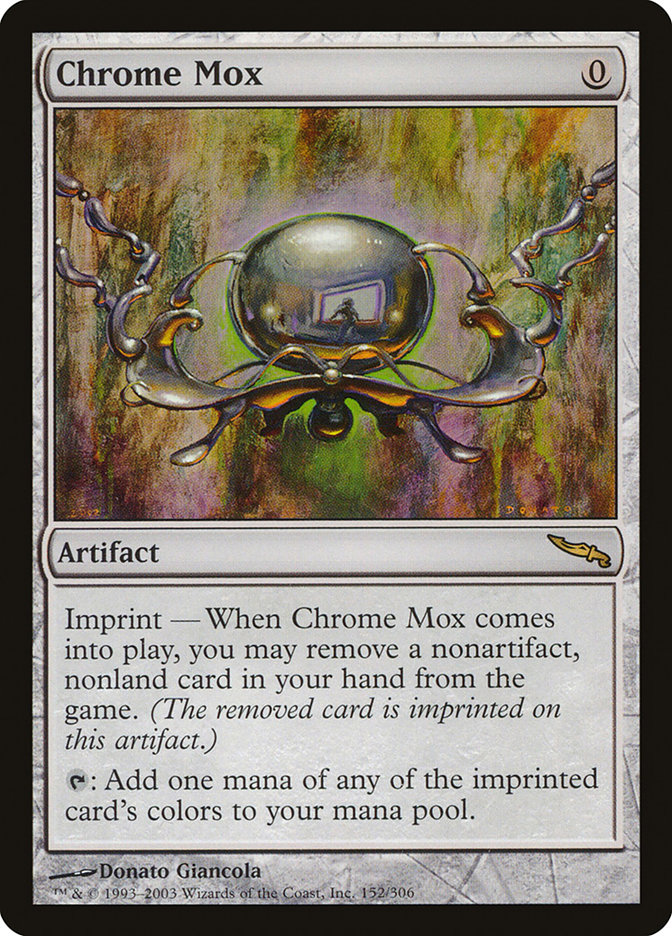
Magic pages should feel like an illuminated archive: rules-heavy, history-aware, and serious about print treatment — anchored right now by Chrome Mox.
Cards tracked300
Variants tracked2
Market floor$0.15
Grail card$450
Set index
A tradeable basket for the whole set.
Complete set basket$2,917.93300 priced cards roll into the current estimate.
Chase basket$879.92Tracks the highest-signal cards instead of the long tail.
Raw lane basket$9.73Useful for estimating where the body of the set sits today.
Coverage is live on 100% of the set right now, which is enough to show the market center even before the long tail fully fills in.
common is the dominant rarity band in this release, while Artifact is the strongest card-family signal on the page today.
Magic collectors want chronology, finish awareness, and context about why a card matters across formats and eras.
Set pulse
Real activity where we have it, honest signals where we do not.
Activity is still forming for this set. The price coverage and chase basket above update as VaultStore listings and sales deepen.
Rarity mix
Where the card count is concentrated.
common124
uncommon88
rare88
Trusted sellers
The best current storefronts touching this lane.
Trusted seller rankings will fill in here as more live listings attach to this set.
Related sets
Continue the chronology.
Temperature index
Heat signal across the full set.
On Fire20
Heating Up156
Cooling47
Top movers
The strongest gainers right now.
Cooling off
Cards losing momentum in the current window.
Completion tracking
Built for real set goals, not generic wishlists.
0%owned
VaultStore completion tracking is designed for any-copy, any-variant, grade-specific, and language-specific goals. This page already knows the full card map; the collector layer sits on top of it.
Sign in to import a collection CSV, auto-claim VaultStore purchases, or manually mark cards as owned.
Collector guide
Why this set matters right now.
Reserved List icons, Commander staples, foils, borderless treatments, and modern premium printings all route through the same browse surface.
Foundations is the cleanest current on-ramp for cataloging modern staples.
Beta and Arabian Nights remain the benchmark history surfaces every serious collectible page gets measured against.
Set overview
A destination page, not just a listing grid.
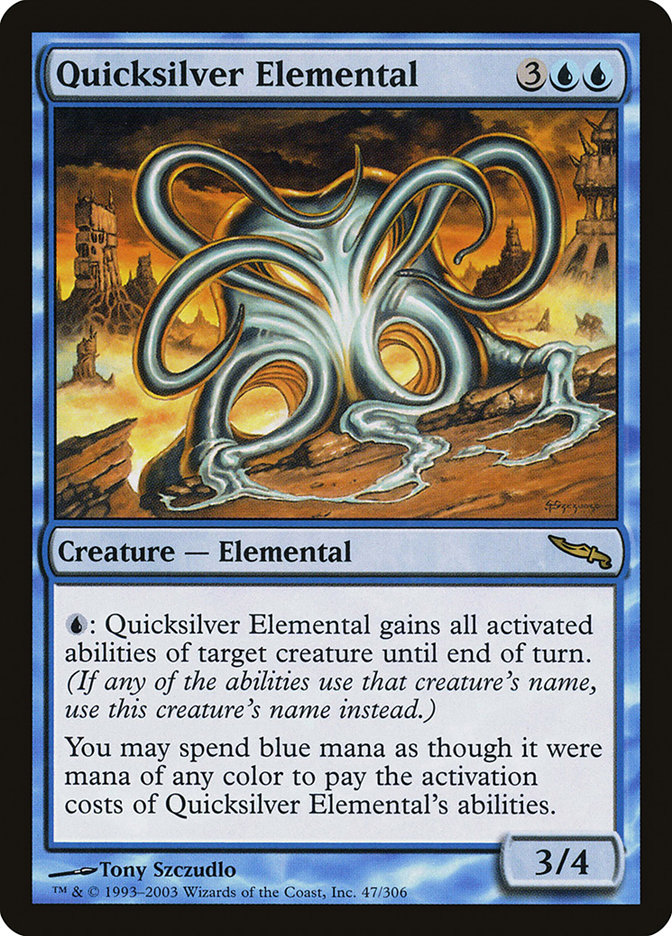
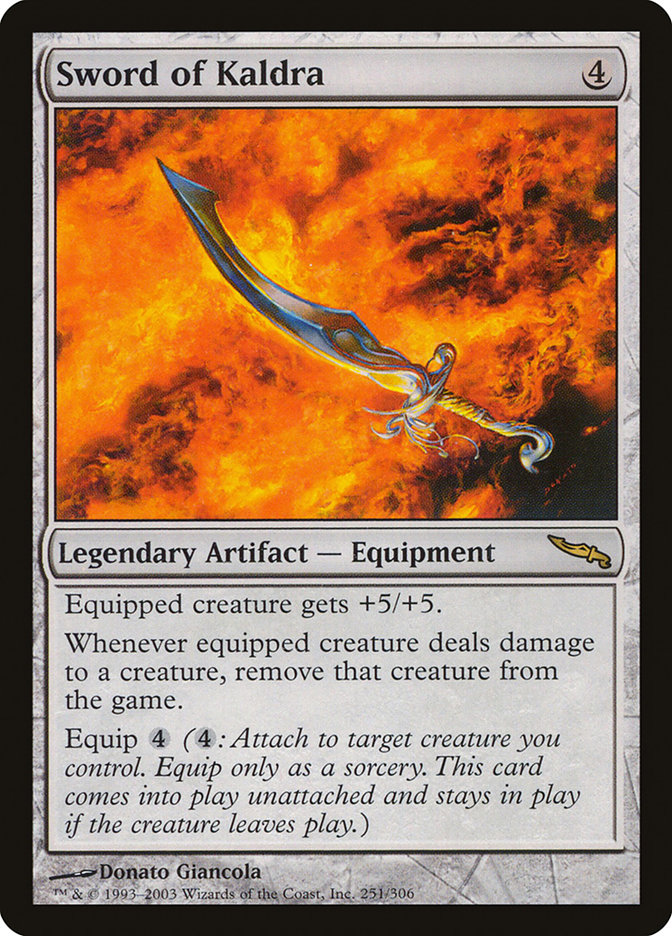
Mirrodin represents a significant expansion in Magic's artifact-focused design space, arriving in 2026 as a 300-card set that builds substantially on the game's mechanical complexity. The set's emphasis on artifact synergies and metalcraft mechanics reflects the design philosophy of its era, establishing templates that would influence subsequent artifact-heavy strategies across multiple formats. Chrome Mox emerged as a format-defining acceleration piece, enabling explosive early-game sequences in constructed play. Quicksilver Elemental provided flexible utility through its copy ability, while Sword of Kaldra completed the artifact equipment cycle with significant power level implications. Seething Song delivered mana acceleration that shaped red deck strategies, and Confusion in the Ranks introduced chaos elements to multiplayer formats. The set's card pool demonstrates careful attention to power level distribution, with several cards achieving competitive relevance in both Standard and eternal formats. Mirrodin's release marked a notable inflection point in artifact-centric design, establishing precedents that collectors and competitive players continue to reference.
A great Magic catalog page needs to explain finish splits, print treatments, and why the set still matters across formats.
Top cards to collect
FAQ
What makes Mirrodin important for collectors?
Mirrodin sits inside the live magic archive. and matters because it combines set identity, chase hierarchy, and live market behavior in one place.